Aurora borealis
Destinations

The 5 Best
Countries for
Aurora Hunting

8 min read May 2026 By Arcticlyn

Not all aurora destinations are equal. Cloud cover, light pollution, geomagnetic latitude and season length vary enormously — and the difference between a mediocre trip and a life-changing experience often comes down to where you go, not just when. Here are the five destinations that consistently deliver, ranked by aurora frequency, sky darkness and accessibility.

01
Top pick
Iceland

"Few destinations make Kp 2 activity feel as rewarding as Iceland — the sky reacts to geomagnetic whispers that go unnoticed elsewhere."

— Arcticlyn Forecast Team
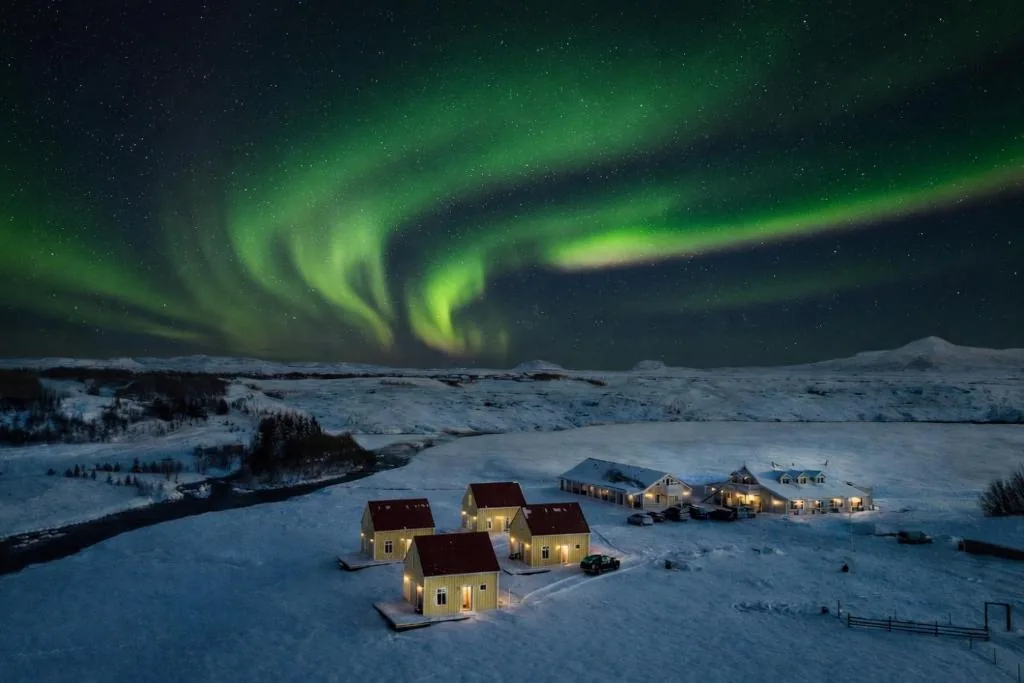
Iceland aurora
Reykjavík · 64°N · Kp 2.4

Iceland sits directly beneath the auroral oval — the ring of geomagnetic activity encircling the poles — making it one of the most consistently active aurora destinations on Earth. The island's geothermal landscape, free of industrial light pollution outside Reykjavík, provides a dramatic foreground: black lava fields, steam vents and glacial lagoons.
Season runs late August to mid-April. The equinox windows (late September and mid-March) are statistically the most active, driven by the Russell-McPherron effect. Its compact size allows significant repositioning within a single day if cloud cover moves in.

Fast Facts · Iceland
Kp 2
Min. Kp needed
19h
Dark hours in Dec
Sep
Peak month
Very high
Aurora frequency
02
Most dramatic
Norway

"Tromsø: a proper city, an international airport, and Kp 1–2 auroras occasionally visible from downtown."

— Arcticlyn Forecast Team
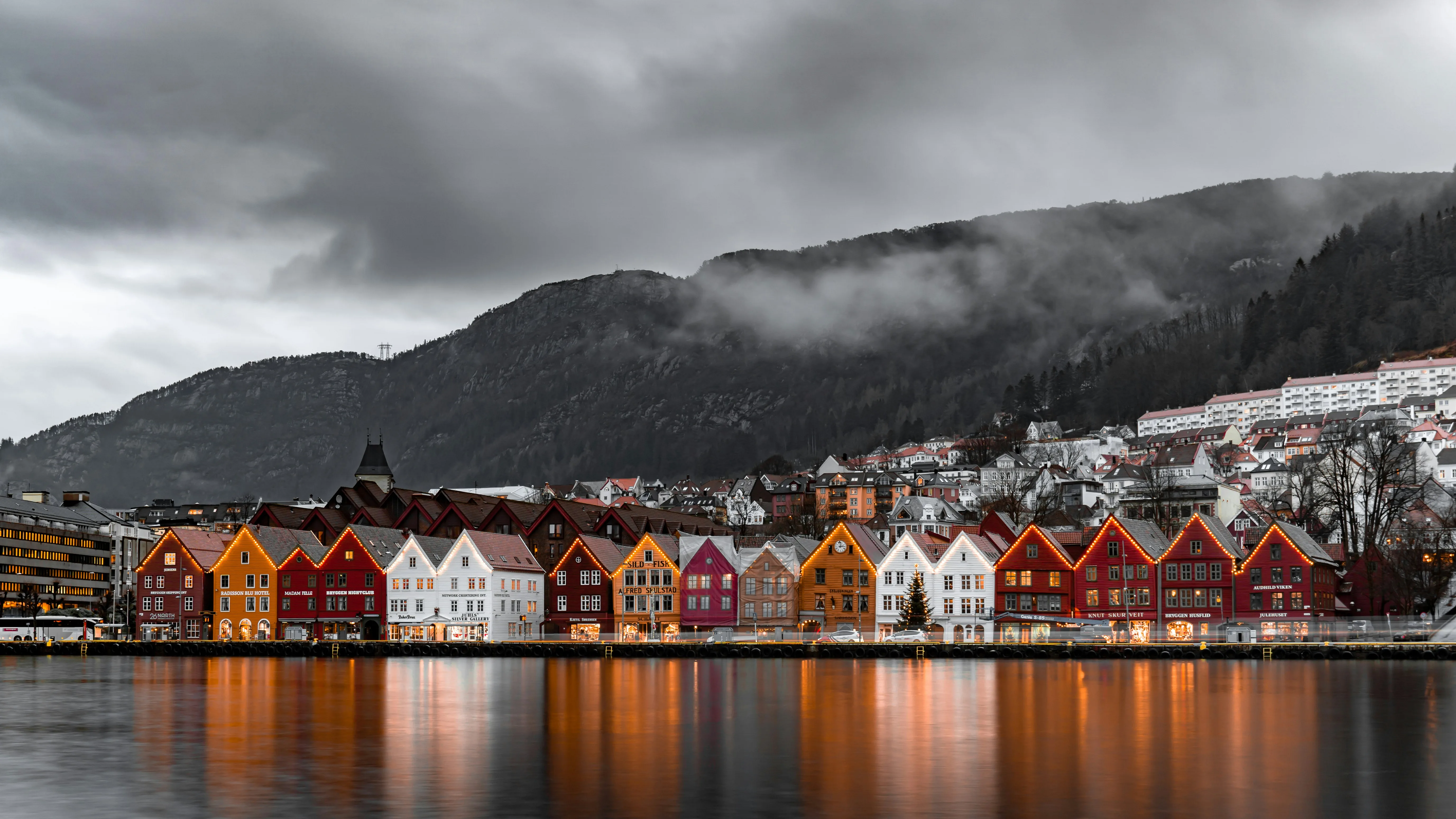
Norway aurora
Tromsø · 69°N · Kp 1.8

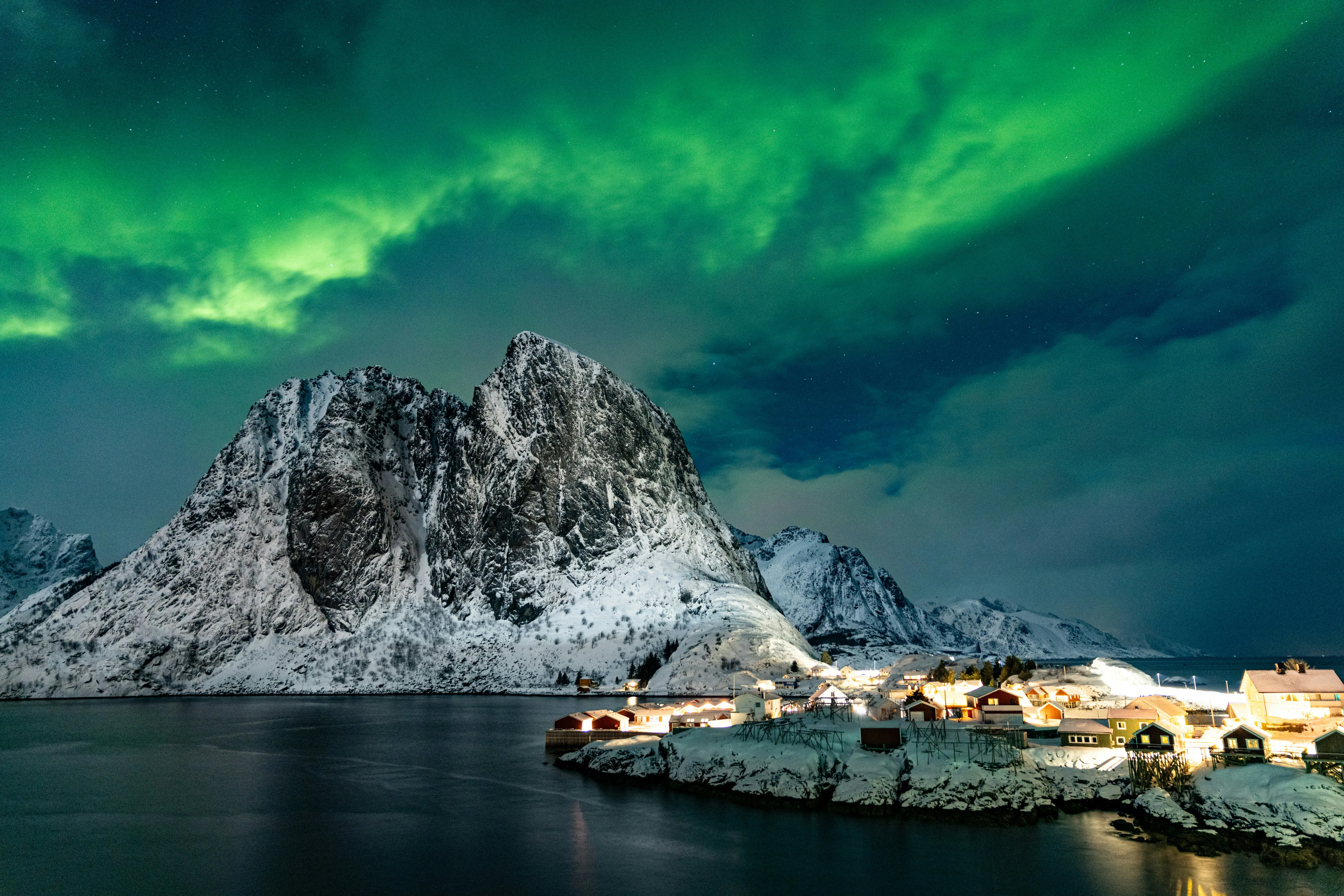
Northern Norway — Tromsø, the Lofoten Islands, Svalbard — offers some of the most geomagnetically favorable aurora locations in the world. Fjords, Arctic peaks and polar night create an atmosphere unlike anywhere else. Tromsø at 69.6°N enjoys 74 days of polar night, with Kp 1–2 auroras occasionally visible even from the city.

Svalbard at 78°N sits at an exceptionally high geomagnetic latitude, delivering aurora even during brief twilight windows outside of full winter. The Norwegian coast is wet — chasing clear skies inland (Finnmark plateau) is standard practice among experienced hunters.

Fast Facts · Norway
Kp 1
Min. Kp needed
Polar
Night in Dec
Oct
Peak month
Very high
Aurora frequency
03
Best for families
Finland

"Finland's continental skies are statistically clearer than Norway's coast — a fact most travelers don't know."

— Arcticlyn Forecast Team
Finland aurora
Rovaniemi · 66°N · Kp 3.1

Finnish Lapland — Saariselkä, Levi, Rovaniemi — offers a softer, more curated aurora experience. Snow-covered pine forests, frozen lakes and reindeer create a storybook setting. The glass-roofed aurora cabins here pioneered the concept of watching the lights from bed.

Finland's continental climate delivers statistically clearer skies than coastal Norway or Iceland in winter. Rovaniemi at the Arctic Circle is the family gateway — Santa Village, husky safaris and glass chalets make it the most accessible aurora destination for non-specialist travelers.

Fast Facts · Finland
Kp 3
Min. Kp needed
21h
Dark hours in Dec
Nov
Peak month
High
Aurora frequency
04
Widest coverage
Canada

"Yellowknife averages 240 clear nights a year. If it's cloudy everywhere else, fly to Canada."

— Arcticlyn Forecast Team
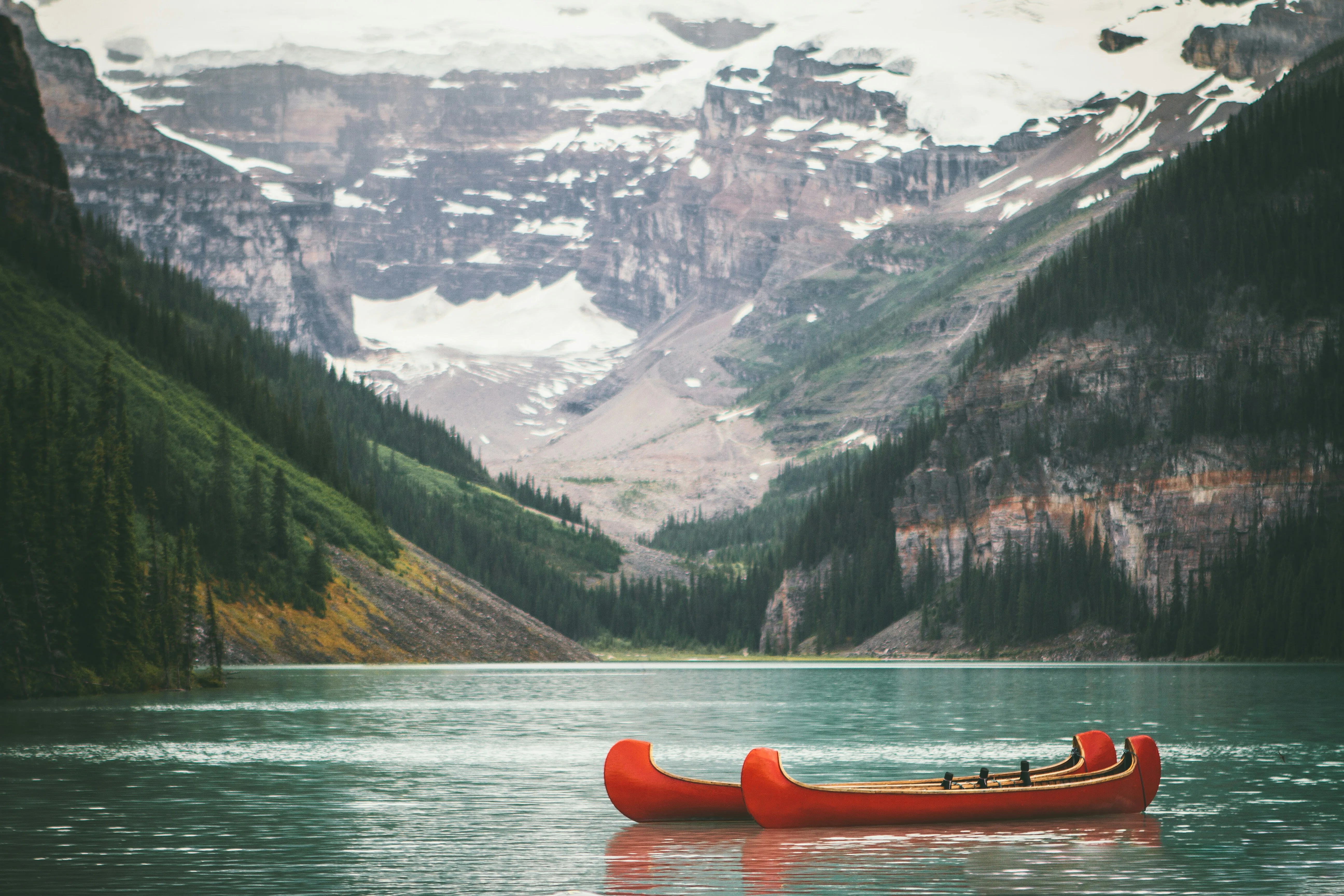
Canada aurora
Yukon Territory · 63°N · Kp 3.2

The Yukon, Northwest Territories and northern Manitoba all sit beneath the auroral oval. The combination of continental climate and minimal light pollution makes for consistently high-probability sky conditions. Yellowknife averages over 240 clear nights per year — among the world's best locations for aurora photography.

Churchill, Manitoba, is the most extreme option — remote, accessible only by air or the newly restored rail line. The reward is one of the world's most intense aurora zones, visible from September through April.

Fast Facts · Canada
Kp 2
Min. Kp needed
240+
Clear nights / year
Sep
Peak month
Very high
Aurora frequency
05
Most remote
Greenland

"For those who want to go where almost no one else goes — Greenland is in a category of its own."

— Arcticlyn Forecast Team
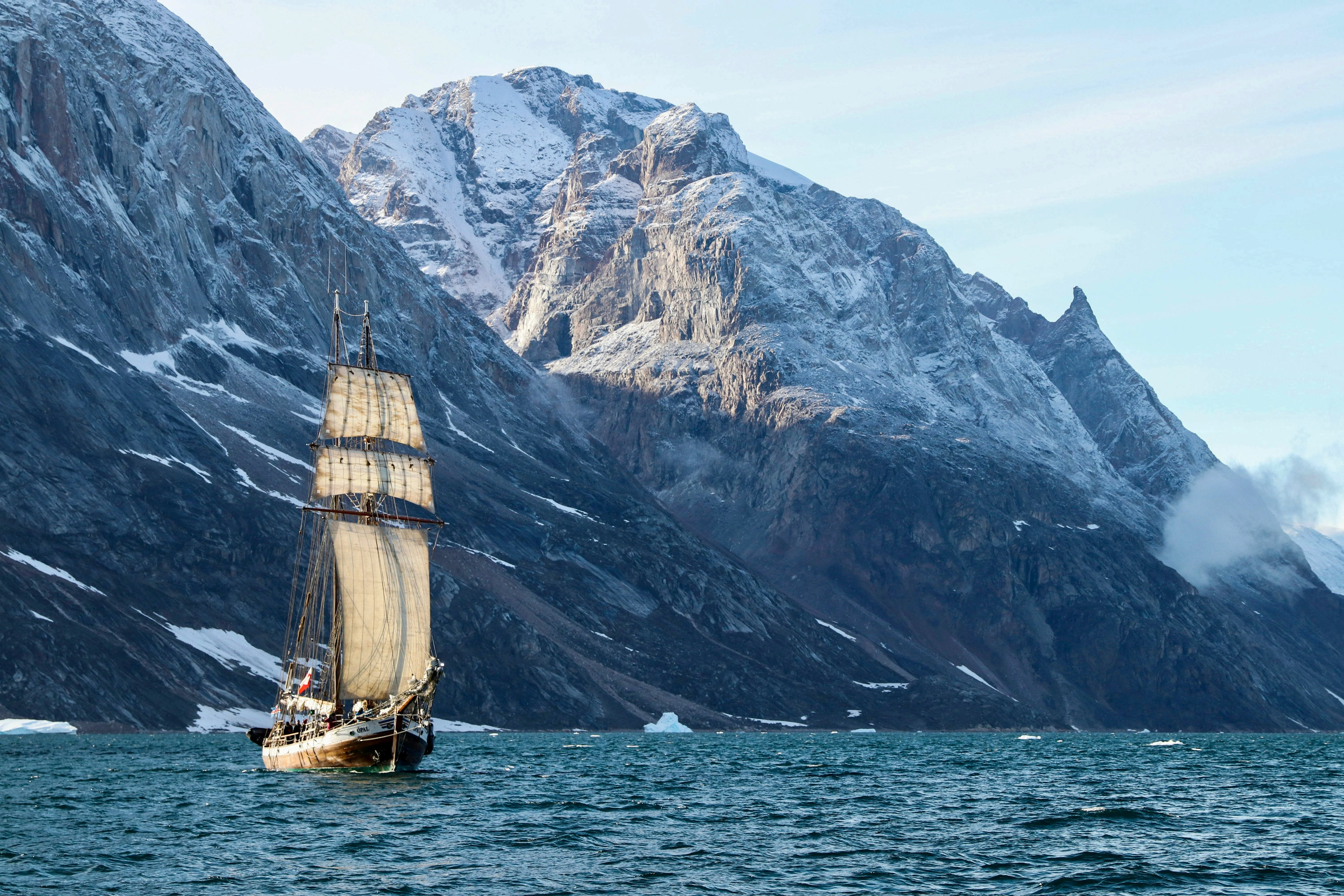
Greenland aurora
Disko Bay · 69°N · Kp 1.6

Greenland is the frontier. The world's largest island sits at a geomagnetically privileged latitude, and its near-total absence of light pollution makes it one of the best dark-sky aurora destinations on Earth. From Disko Bay, icebergs provide an otherworldly foreground as curtains of green and violet dance overhead.

Accessibility is the limiting factor — expensive, logistically complex, weather-dependent. Kangerlussuaq is the practical entry point: exceptional clear-sky statistics, vast tundra for snowmobile aurora hunting, and direct connections via Copenhagen.

Fast Facts · Greenland
Kp 1
Min. Kp needed
22h
Dark hours in Dec
Sep
Peak month
Top
Aurora frequency
The Verdict

So, where should you go?

If it's your first time, go to Iceland — the lowest Kp threshold, the most dramatic landscapes, and the easiest logistics. If you're a photographer obsessed with clear skies, fly to Yellowknife, Canada. If you want total immersion in polar night, Tromsø, Norway is unmatched. Traveling with family? Finnish Lapland was made for it. And if you want to go somewhere most people never will, Greenland is waiting.

Wherever you go, timing is everything. A Kp 6 storm from a city park beats a Kp 1 flicker from the best spot in Svalbard. Check the forecast before you book — and keep it open the whole trip.

See tonight's live forecast

View Live Forecast → ⬇ Download the App
Coming Soon