Northern lights over a hotel
Business Case

Benefits of Aurora
Alerts for Hotels

Why the hotel that wakes guests for the aurora is the one they never forget.
7 min read B2B Guide By Arcticlyn

Hotels in aurora destinations choose their coordinates deliberately. They invest in north-facing windows, staff who understand the sky, and operations calibrated to a season that lasts six months. Every decision is made in service of one thing: giving guests the conditions to witness the northern lights. That investment is real — and it is also incomplete. Because conditions alone don't deliver the moment. Someone has to make sure the guest is awake for it.

Hotels already paid for
the moment.

The location was chosen for a reason. The coordinates place the property inside the auroral zone — where Kp 2 activity produces visible displays that would go unnoticed at lower latitudes. The rooms face north. The staff understand the sky. The entire season is calibrated around a single recurring event.

The aurora is the product. Everything else is the preparation. What most properties have not yet solved is how to ensure the product is actually delivered — that the guest who paid for this experience is present for it when it arrives.

"The room, the view, the location — all of it is infrastructure. The aurora is the experience."

— Arcticlyn Product Team

What guests actually
remember.

Hotels measure guest satisfaction through the metrics that make operational sense: occupancy rate, average room rate, breakfast score, check-in speed. These are the right numbers for running a property. They are not what guests remember.

Travel psychology research is consistent on this: experiential memories outperform material ones. The more emotionally intense the experience, the longer it persists and the more frequently it surfaces in conversation. A guest who stayed at your hotel three years ago does not recall the thread count. They recall the night their phone lit up at 2am and they stepped outside into the cold and the sky was moving.

That memory is what drives recommendations. It is what gets shared with colleagues, posted years later, and told to anyone considering a trip to the same destination. The hotel that enabled it becomes a character in the story — not a setting.

The gap between a hotel that creates the conditions for the aurora and one that actively delivers it is not visible in any metric until a guest writes about it. Then it is unmistakable.

Reviews that describe a notification arriving at the right moment, or a wake-up call that "saved the trip," share a common structure: the hotel did something the guest didn't expect. It was invested in their experience in a way that went beyond the transaction of the room. That gap — between what guests assume a hotel will do and what it actually does — is where reputation is built.

What your property tracks
  • Occupancy rate
  • Average daily rate
  • Breakfast satisfaction score
  • Check-in speed
  • Net Promoter Score
What guests remember
  • The night the sky turned green
  • The alert that woke them at 2am
  • Standing outside for two hours in the cold
  • The photo they still use as their phone wallpaper
  • The hotel that made sure they didn't miss it

Two hotels.
One difference.

Hotel A

A staff member steps outside at 11:47pm. The sky is moving — green arcs forming to the north, Kp holding above 4. They open the app and press send.

Every connected guest receives a Time Sensitive alert within five seconds. Thirty-four people pull on their jackets and go outside. Some stay for three hours.

In the morning, the breakfast conversation is entirely about the aurora. Three guests ask how to book the same hotel for next year.

Hotel B

The same sky. The same Kp. The same clear night. Nobody on staff is watching at 11:47pm.

Every guest is asleep. The aurora peaks at 12:30am and fades by 1:15am. The total display lasts under two hours.

In the morning, guests check their phones and see photos posted by Hotel A's guests three hours earlier. The trip to see the aurora produced no aurora.

The difference between these two properties is not latitude, star rating, room quality, or price. It is one button pressed at the right moment by someone who was paying attention. The infrastructure for that moment costs 79€ per month.

Why glass igloos
went viral.

In the early 2010s, a small number of hotels in Finnish Lapland introduced heated glass-roof accommodations — rooms designed so guests could watch the northern lights from their beds without stepping outside. The concept spread through every major travel publication, generated millions of social media posts, and created a category of premium aurora accommodation that commands significantly higher rates than standard rooms in the same region.

What they sold was not glass. They sold the elimination of friction. Guests no longer had to dress for -20°C at midnight, set alarms, monitor apps, or hope that someone would tell them when conditions aligned. The aurora was delivered to them — passively, comfortably, reliably.

That insight — that the value was in closing the gap between the guest and the moment — created a new category in aurora hospitality. The glass igloo became shorthand for a certain kind of experience: the one where the hotel takes responsibility for the aurora, not just the room.

Arcticlyn applies the same principle without requiring architectural renovation. The gap being closed is between your staff's observation and your guests' awareness. The mechanism is a notification. The result — a guest who witnesses the aurora because the hotel made it happen — is the same.
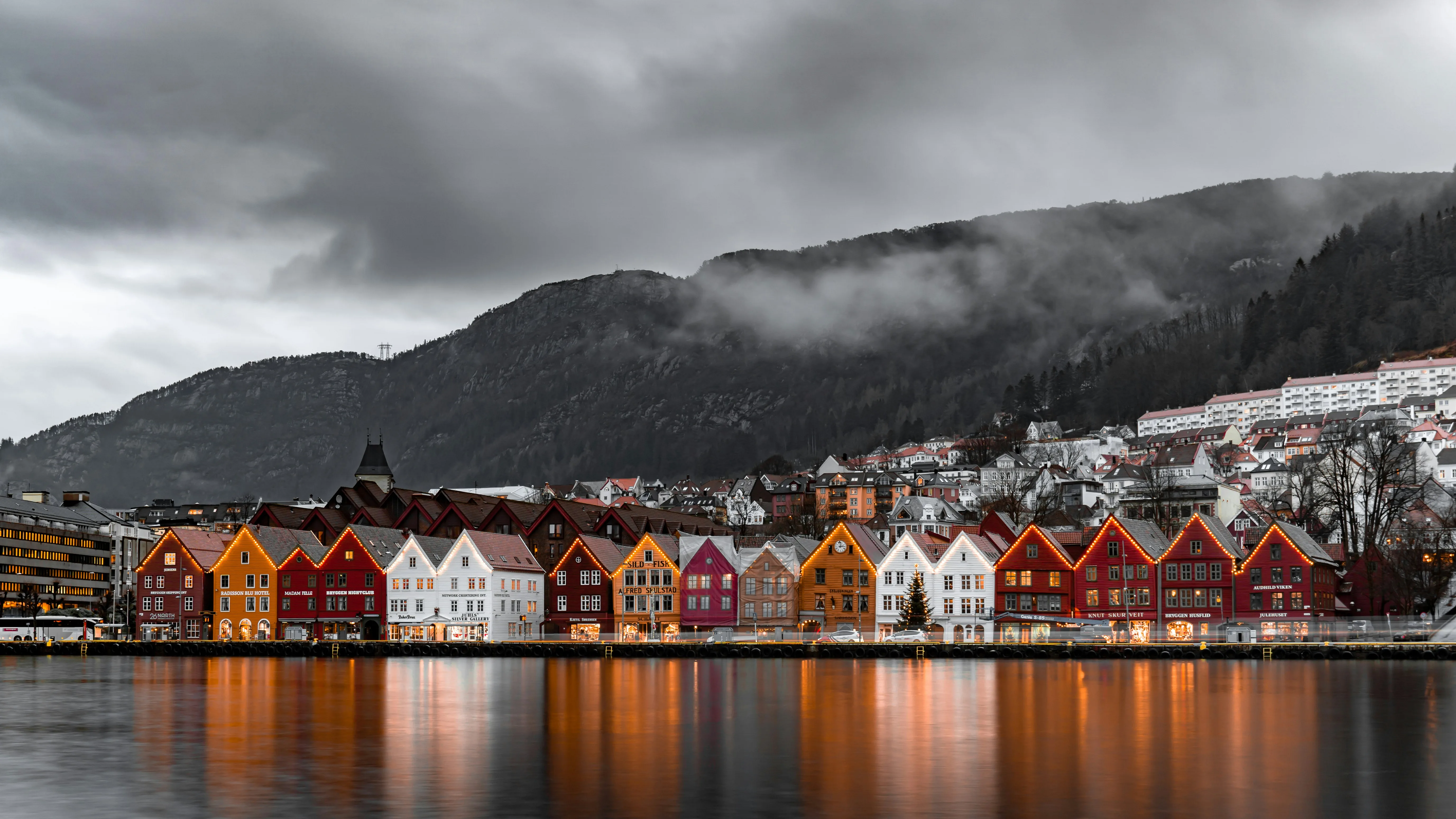
"The glass igloo didn't sell shelter. It sold proximity to the moment guests came for."

— Arcticlyn Product Team

The numbers,
stated once.

The cost of Arcticlyn is measured in euros. The cost of a missed aurora is measured in memories.

The subscription is 79€ per month. The Season plan — covering October through March — is 349€. A single additional booking generated by a review that mentions being woken for the aurora covers more than two months. The economic case is simple, and it is not the strongest argument for using the product.

The stronger argument is that the hotel has already paid to create the conditions for an exceptional experience. 79€ per month is the cost of making sure that investment is not lost to a guest who slept through the one night the sky was extraordinary.

The Numbers
79€
monthly subscription
349€
full 6-month season
1
booking to cover 2+ months
200
max connected guests

A category without
a dominant player.

Almost no hotels in aurora destinations currently operate an active guest alert system. The standard experience remains what it has been for decades: guests set their own alarms, monitor their own apps, and make their own decisions about when to go outside. Most properties consider the aurora operationally beyond their control — a weather event, not a service.

This is a positioning gap that closes the moment the first hotel in each destination claims it. The first property in Tromsø that becomes known for waking guests when the lights appear will own a reputation category that competitors cannot easily dislodge. Not because the technology is difficult to replicate, but because reputation accumulates before competitors adopt the same approach. Reviews compound. The identity hardens. The category has an owner.

Category ownership in hospitality is worth considerably more than any individual booking. It is the difference between a hotel that people choose for its amenities and one they specifically recommend for an experience they couldn't have had elsewhere.

"The category 'hotel that wakes you for the aurora' doesn't have a dominant player yet. That changes the first time a property claims it."

— Arcticlyn Product Team
The Point

The hotel becomes
part of the story.

Guests from aurora destinations don't describe their experience through room categories or breakfast ratings. They describe it through what happened in the sky. Which night it was. Who they were with. Whether they almost missed it — and what happened that meant they didn't.

The hotel that ensures they don't miss it becomes a character in that story. Not a backdrop. The one that knew the lights were coming, made sure the guests were outside to see them, and turned a trip into something that gets told at dinner tables for years.

"The hotel that helps guests see the aurora becomes part of the story they tell when they get home." That is what drives return visits, unsolicited recommendations, and the kind of reviews that cannot be written from a checklist. It is also, for 79€ a month, entirely within reach.

The aurora is the product.
Everything else is the preparation.

Ready to become part of
your guests' story?

Start Free Trial → How It Works →